
BLOG
Why Regular Exterior Cleaning Matters for Coastal Properties in Bondi, Coogee and Maroubra
Properties located along Sydney's eastern coastline face environmental conditions that differ significantly from those in inland suburbs. Bondi, Coogee and Maroubra are exposed to salt-laden air, strong coastal winds, higher humidity and frequent sea spray. These conditions can accelerate the build-up of contaminants on roofs, walls, windows and paved surfaces.
Regular exterior cleaning is not simply about appearance. Removing salt deposits, mould, algae and airborne pollutants helps maintain building materials and reduces the likelihood of premature deterioration.
Salt air affects more than metal surfaces
Many people associate coastal corrosion with metal fences or handrails, but salt carried by sea breezes settles on almost every external surface.
Roofing materials, painted walls, windows, solar panels and concrete driveways all collect fine salt particles. When combined with moisture, these deposits attract dirt and create a film that is difficult to remove with rain alone.
Metal fixtures such as gutters, flashings and outdoor fittings are particularly vulnerable. Salt accelerates corrosion where protective coatings have worn away or where moisture remains trapped for extended periods.
Even painted surfaces can deteriorate more quickly if salt and contaminants are allowed to accumulate. Regular washing removes these deposits before they become firmly bonded to the surface.
Humidity encourages mould and algae growth
Coastal suburbs often experience higher humidity than inland areas, especially during warmer months. Moisture lingering on shaded walls, roofs and paved areas creates ideal conditions for biological growth.
Common signs include:
Green algae on driveways and pathways
Black mould on painted walls
Moss growing between roof tiles
Lichen attached to concrete and terracotta roofing
Slippery pool surrounds and outdoor entertaining areas
These organisms retain moisture against the surface, making materials slower to dry after rainfall. On pathways and driveways, algae can significantly reduce slip resistance, particularly where surfaces remain shaded for much of the day.
Soft washing is often preferred for treating biological growth because it removes the organisms while reducing the risk of damage to painted or delicate surfaces.
Sand, wind and airborne debris gradually wear surfaces
Coastal winds carry fine sand and airborne particles that settle on buildings throughout the year.
Windows are often the first surfaces where this becomes noticeable. Fine abrasive particles combine with salt residue and dust, leaving a film that reduces clarity and can make routine cleaning more difficult if left for long periods.
Roof valleys and gutters also collect leaves, twigs and wind-blown debris. During heavy rainfall, blocked gutters can overflow, allowing water to spill against fascia boards and external walls instead of draining through the stormwater system.
Regular removal of accumulated debris supports proper drainage and reduces unnecessary moisture around the building envelope.
Solar panels also benefit from routine cleaning
Many homes throughout Bondi, Coogee and Maroubra have rooftop solar systems. While rainfall removes some loose dust, it does not effectively wash away salt residue, bird droppings or sticky organic matter.
A layer of grime can reduce the amount of sunlight reaching photovoltaic cells, affecting energy production.
Cleaning methods should be appropriate for both the panels and their mounting systems. Abrasive tools or harsh chemicals can damage protective coatings, while excessive pressure may affect seals or electrical components.
Maintaining clean panel surfaces helps maximise available sunlight while reducing unnecessary wear.
Different building materials require different cleaning methods
Not every surface responds well to high pressure cleaning. The age, finish and construction material all influence the safest approach.
Concrete driveways generally tolerate higher pressure than painted render or timber cladding. Roof tiles often require a combination of specialised cleaning solutions and controlled water pressure to remove moss and lichen without disturbing protective coatings.
Natural stone paving, decorative concrete and older brickwork may also require lower pressure to prevent unnecessary surface erosion.
Choosing the appropriate cleaning method helps preserve the finish while effectively removing contaminants common in coastal environments.
A maintenance approach suited to coastal conditions
The environment around Bondi, Coogee and Maroubra continually exposes buildings to salt, moisture and airborne debris. These conditions cannot be prevented, but their effects can be managed through regular inspection and maintenance.
Cleaning exterior surfaces before contaminants become deeply embedded is generally more effective than waiting until staining, corrosion or biological growth becomes extensive. Roofs, gutters, walls, windows and paved areas all respond differently to coastal conditions, making a tailored maintenance approach more suitable than treating every surface the same way.
Understanding how the local environment affects different building materials allows property owners to maintain safer outdoor spaces and preserve the condition of their property's exterior over the long term.
DISCOVER WHAT OUR CUSTOMERS HAVE TO SAY ABOUT US
REVIEWS
REVIEW US ON GOOGLE
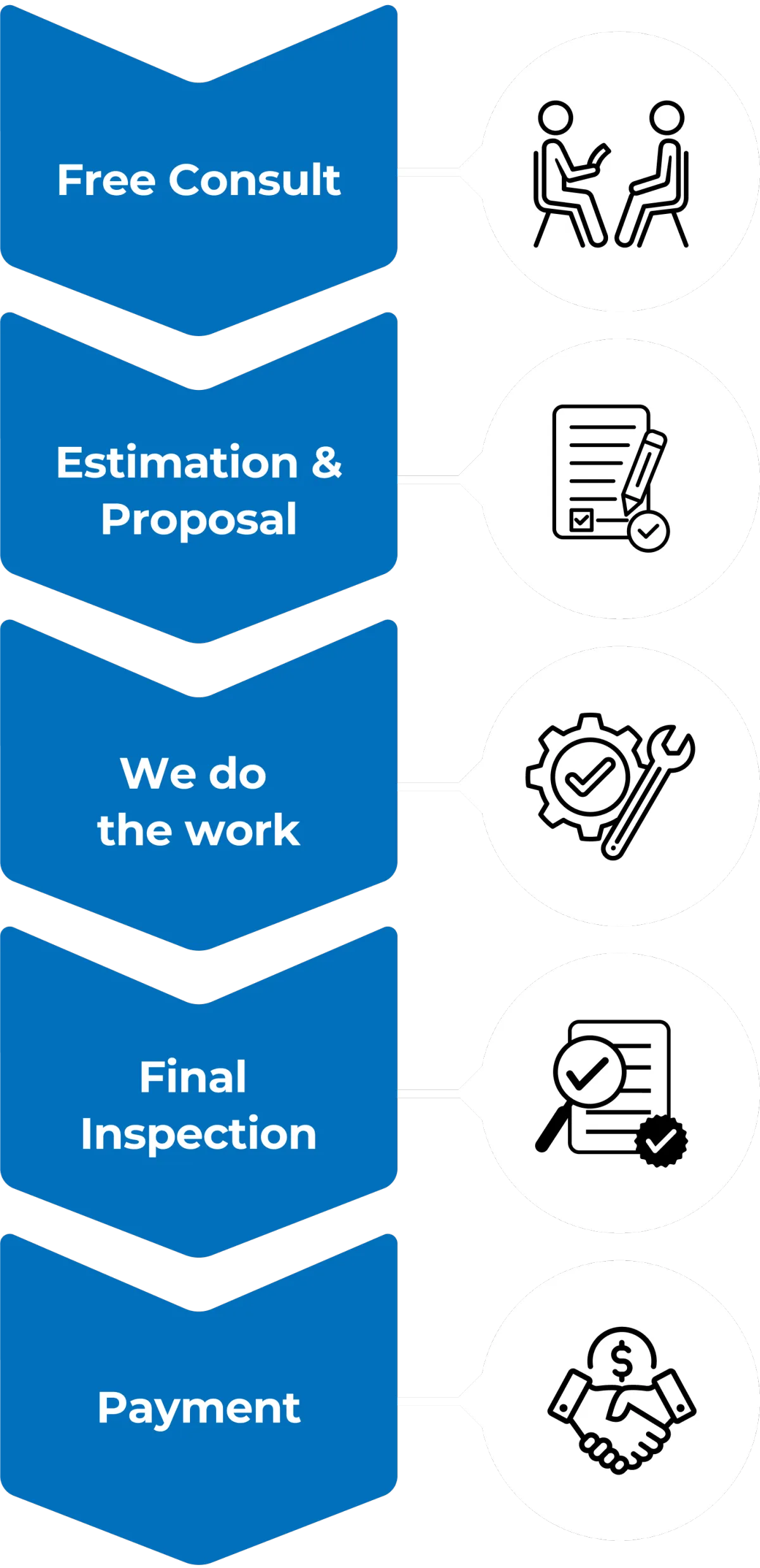
our process
Our process is simple and only contains a few simple steps

SERVICE AREAS
proudly serving Sydney
frequently asked questions
Find clear answers to the questions we’re asked most often.
How does the repair process work?
Once you contact Appliance Repair Solutions, a technician will discuss the issue with you and arrange a suitable inspection time. The problem is diagnosed on site, and clear advice is provided before any repair work begins. The goal is to complete repairs efficiently while keeping communication straightforward throughout the process.
How quickly can I book a technician?
Service availability depends on your location and the type of appliance issue. In many cases, same day or next day bookings may be available across Sydney. The team aims to respond promptly and provide flexible scheduling where possible.
Do you provide quotes before starting repairs?
Yes. After assessing the appliance and identifying the fault, you will receive clear information about the recommended repair and expected costs. This helps customers make informed decisions before approving any work.
What should I do before the technician arrives?
It helps to clear access around the appliance and make note of any error codes or unusual behaviour. If possible, have the appliance model number available as this can assist with diagnosing the issue faster. The technician will guide you through anything else needed when confirming the booking.
What should I do before the technician arrives?
It helps to clear access around the appliance and make note of any error codes or unusual behaviour. If possible, have the appliance model number available as this can assist with diagnosing the issue faster. The technician will guide you through anything else needed when confirming the booking.
proudly serving Baulkham Hills
Homebush
Gladesville
Leichhardt
North Sydney
Mosman
Box Hill
Marsden park

Trusted & Accredited Plumbers
READY TO GET YOUR ROOF CLEANED?
get a free quote TODAY!
PressureX Exterior Cleaning
