
BLOG
A Complete Guide to Pressure Cleaning for Homes and Commercial Properties Across Parramatta and Western Sydney
Why exterior surfaces become dirty so quickly in Western Sydney
Parramatta experiences a mix of urban pollution, seasonal pollen, dust carried by wind and periods of high humidity. These conditions allow organic growth to establish on many outdoor surfaces.
Driveways often develop black algae in shaded sections where moisture remains after rain. Roof tiles can accumulate moss and lichen beneath overhanging trees. Painted walls may show mould on southern elevations that receive little direct sunlight. Commercial buildings near busy roads can also collect airborne pollutants that leave dark staining over time.
These contaminants do more than affect appearance. Moss retains moisture against roofing materials, algae creates slip hazards on paths and driveways, and accumulated debris can slow water drainage around the property. Local climate and vegetation make regular exterior maintenance particularly relevant across Western Sydney.
Choosing the right cleaning method for different surfaces
Pressure cleaning is only one of several cleaning techniques used on exterior surfaces. Selecting the correct approach depends on what is being cleaned rather than applying maximum water pressure everywhere.
Concrete driveways and exposed aggregate generally tolerate higher pressure because these surfaces are designed to withstand heavy use. Even so, the pressure must still match the condition of the concrete to avoid surface damage.
Brick paving often requires moderate pressure combined with the correct spray pattern to remove grime while preserving jointing sand.
Painted render, weatherboards and delicate cladding usually benefit from soft washing rather than high pressure. Soft washing relies on specialised cleaning solutions and lower water pressure to remove mould, algae and bacteria without damaging painted finishes.
Roofs require particular care. Concrete roof tiles, terracotta tiles and Colorbond roofing all respond differently to cleaning. High pressure is not automatically the safest option, especially where older roofing materials or protective coatings are involved. A proper assessment determines the most appropriate method for each roof type.
Common surfaces that benefit from routine cleaning
Exterior cleaning is not limited to driveways or house walls. Many parts of a property gradually collect contaminants that affect appearance, drainage or safety.
Some of the most common areas include:
Concrete driveways and footpaths
Brick and paved entertaining areas
Retaining walls
Pool surrounds
External walls
Roof surfaces
Gutters and valleys
Commercial forecourts
Car parks
School grounds
Tennis courts
Each surface has different cleaning requirements depending on its material, exposure to weather and level of foot or vehicle traffic.
Factors that influence how often cleaning is needed
There is no universal schedule for exterior cleaning because every property experiences different conditions.
Properties surrounded by mature gum trees often accumulate leaf litter, tannins and organic debris more quickly than open suburban blocks. Homes near major roads can collect fine dust and traffic residue, while coastal suburbs closer to Sydney's eastern beaches experience additional salt deposits that affect exterior finishes.
Areas that remain shaded throughout the day usually develop mould and algae sooner because moisture evaporates more slowly. North-facing surfaces generally dry faster than south-facing walls, which often remain damp after rain.
Commercial properties with frequent pedestrian traffic may require more regular maintenance than residential homes simply because dirt builds up faster on heavily used surfaces.
Safety and long term surface protection
Pressure cleaning should improve the condition of a surface without shortening its lifespan. Excessive pressure, unsuitable nozzles or incorrect techniques can strip paint, erode mortar joints, damage timber fibres or force water beneath roofing materials.
Older buildings also require additional care. Some properties constructed before modern building materials became common may contain asbestos cement roofing or cladding. High pressure cleaning must never be used on asbestos materials because disturbing the surface can release hazardous fibres. Safe management follows strict NSW safety requirements.
Another consideration is stormwater management. Dirt, detergents and debris washed from exterior surfaces should be managed responsibly to reduce pollutants entering local drainage systems and waterways. Parramatta Council encourages practices that minimise contamination of stormwater networks.
Understanding how different surfaces respond to cleaning allows property owners to make informed maintenance decisions. Matching the cleaning method to the material, local environment and condition of the surface helps preserve appearance, reduce slip hazards and support the long term performance of exterior building materials.
DISCOVER WHAT OUR CUSTOMERS HAVE TO SAY ABOUT US
REVIEWS
REVIEW US ON GOOGLE
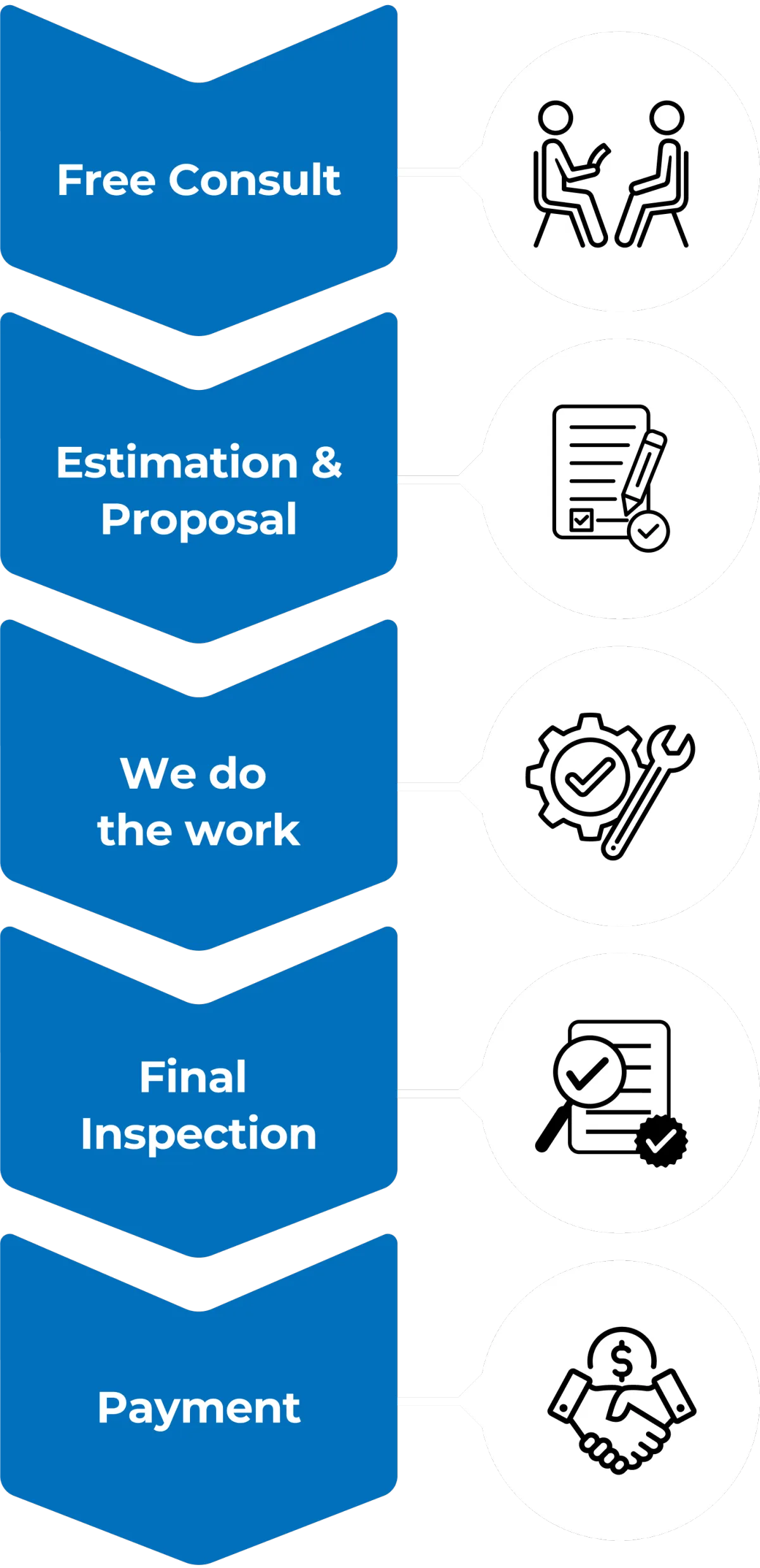
our process
Our process is simple and only contains a few simple steps

SERVICE AREAS
proudly serving Sydney
frequently asked questions
Find clear answers to the questions we’re asked most often.
How does the repair process work?
Once you contact Appliance Repair Solutions, a technician will discuss the issue with you and arrange a suitable inspection time. The problem is diagnosed on site, and clear advice is provided before any repair work begins. The goal is to complete repairs efficiently while keeping communication straightforward throughout the process.
How quickly can I book a technician?
Service availability depends on your location and the type of appliance issue. In many cases, same day or next day bookings may be available across Sydney. The team aims to respond promptly and provide flexible scheduling where possible.
Do you provide quotes before starting repairs?
Yes. After assessing the appliance and identifying the fault, you will receive clear information about the recommended repair and expected costs. This helps customers make informed decisions before approving any work.
What should I do before the technician arrives?
It helps to clear access around the appliance and make note of any error codes or unusual behaviour. If possible, have the appliance model number available as this can assist with diagnosing the issue faster. The technician will guide you through anything else needed when confirming the booking.
What should I do before the technician arrives?
It helps to clear access around the appliance and make note of any error codes or unusual behaviour. If possible, have the appliance model number available as this can assist with diagnosing the issue faster. The technician will guide you through anything else needed when confirming the booking.
proudly serving Baulkham Hills
Homebush
Gladesville
Leichhardt
North Sydney
Mosman
Box Hill
Marsden park

Trusted & Accredited Plumbers
READY TO GET YOUR ROOF CLEANED?
get a free quote TODAY!
PressureX Exterior Cleaning
