
BLOG
Why the Right Cleaning Method Matters: Understanding the Difference Between Pressure Cleaning, Soft Washing and Safe Roof Cleaning in NSW
One of the most common misconceptions about exterior cleaning is that every surface can be cleaned using high pressure. While pressure cleaning is highly effective on many hard surfaces, it is not suitable for every material found around homes and commercial buildings.
Modern exterior cleaning involves selecting the cleaning method that best matches the surface, the type of contamination and the condition of the material. Using excessive pressure where it is not required can shorten the life of painted finishes, roofing materials and delicate building products.
Understanding the differences between pressure cleaning, soft washing and roof cleaning helps property owners make informed decisions about maintaining their buildings.
Pressure cleaning is designed for durable hard surfaces
Pressure cleaning uses water delivered at high pressure to remove built-up dirt, mud, algae, moss, tyre marks and other surface contaminants.
It is most effective on materials that can safely withstand the force of pressurised water, including:
Concrete driveways
Exposed aggregate
Brick paving
Commercial hardstand areas
Car parks
Retaining walls
Some industrial flooring
The effectiveness of pressure cleaning depends on more than water pressure alone. Flow rate, spray angle, nozzle selection and surface condition all influence the final result.
For example, newer concrete generally tolerates cleaning differently from older concrete that has already begun to wear. Decorative finishes may also require lower operating pressures to preserve their appearance.
Soft washing removes biological growth without relying on force
Soft washing is a low-pressure cleaning method designed for surfaces that could be damaged by traditional pressure cleaning.
Instead of using force to remove contamination, soft washing combines specialised cleaning solutions with gentle water pressure. The cleaning solution breaks down mould, algae, mildew, bacteria and organic staining before the surface is rinsed clean.
Soft washing is commonly used on:
Painted exterior walls
Weatherboards
Render
Roof tiles
Fences
Timber cladding
Eaves and soffits
Because biological growth is treated rather than simply blasted away, soft washing often provides longer-lasting results on surfaces where mould and algae are the primary problem.
This method also reduces the risk of water being forced behind cladding, beneath roof tiles or into areas where moisture should not enter.
Roof cleaning requires careful assessment
Roofs present unique challenges because no two roofing materials respond in exactly the same way.
Concrete roof tiles, terracotta tiles, Colorbond roofing and older metal roofs each have different surface characteristics and protective coatings. The presence of moss, lichen and accumulated debris can also influence the cleaning process.
In many cases, roof cleaning begins with an inspection to identify:
The roofing material
Existing damage or cracked tiles
Loose ridge capping
Areas of heavy moss or lichen growth
Previous coatings or sealants
Drainage issues affecting the roof
Using unnecessarily high pressure on certain roofs can dislodge pointing, remove protective surface coatings or force water beneath tiles. Where biological growth is the main issue, soft washing or controlled low-pressure techniques are often more appropriate.
Cleaning methods should always be selected according to the roof's condition rather than applying a single approach to every property.
Different contaminants require different solutions
Not all stains respond to the same cleaning process.
For example:
Algae usually responds well to soft washing treatments.
Moss often requires both treatment and careful removal.
Lichen forms strong attachments to roofing materials and may need specialised cleaning methods.
Oil stains on concrete often require degreasers before pressure cleaning.
Rust stains typically need specific chemical treatments rather than increased water pressure.
Efflorescence, the white powdery deposits seen on brickwork and concrete, has different causes and requires different cleaning techniques.
Treating every stain with maximum pressure can leave contamination behind while unnecessarily wearing the surface.
Correct identification of the contaminant is often just as important as choosing the cleaning equipment.
Safety and environmental considerations
Exterior cleaning involves more than achieving a clean appearance. Safe work practices protect both the building and the surrounding environment.
Working on roofs requires appropriate fall prevention measures and careful movement across roofing materials. Cleaning chemicals should be selected and applied according to manufacturer recommendations, with attention given to nearby gardens, stormwater drains and neighbouring properties.
Another important consideration is asbestos. Some older Australian homes still contain asbestos cement roofing or wall cladding. These materials must never be cleaned using high-pressure equipment because disturbing the surface can release hazardous fibres. Safe Work NSW specifically advises against pressure cleaning asbestos-containing materials, and their management is subject to strict safety requirements.
Runoff from cleaning should also be managed responsibly to reduce pollutants entering local waterways through the stormwater system.
Choosing the method that suits the surface
Pressure cleaning, soft washing and roof cleaning each have an important role in maintaining residential and commercial properties throughout NSW. None of these methods is universally better than another. Their effectiveness depends on matching the technique to the building material, the condition of the surface and the type of contamination being removed.
Understanding these differences helps property owners avoid unnecessary damage while maintaining safer, cleaner and longer-lasting exterior surfaces. Selecting the appropriate cleaning method is not simply about achieving the best immediate result. It is about preserving the integrity of the materials for years to come.
DISCOVER WHAT OUR CUSTOMERS HAVE TO SAY ABOUT US
REVIEWS
REVIEW US ON GOOGLE
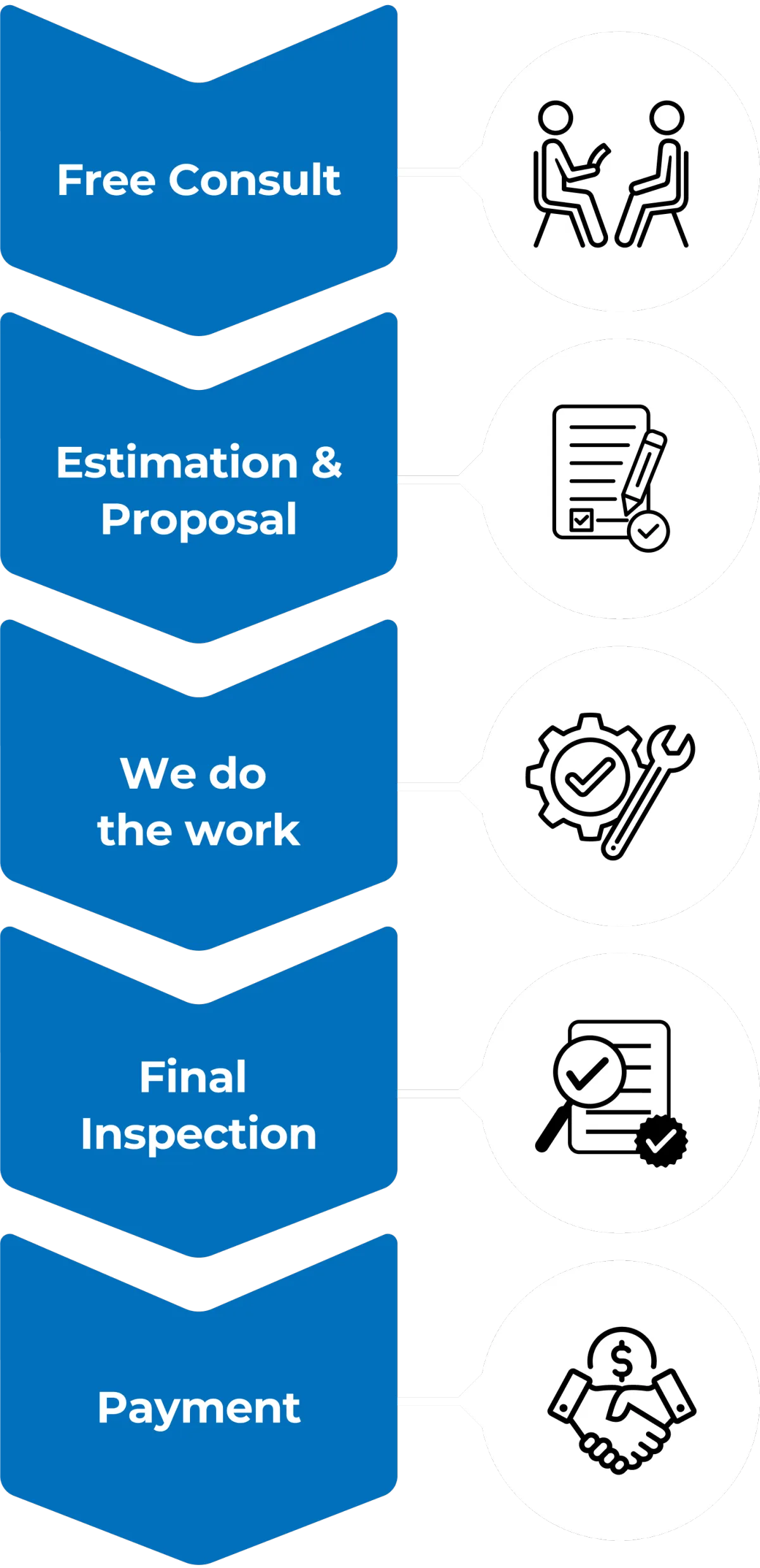
our process
Our process is simple and only contains a few simple steps

SERVICE AREAS
proudly serving Sydney
frequently asked questions
Find clear answers to the questions we’re asked most often.
How does the repair process work?
Once you contact Appliance Repair Solutions, a technician will discuss the issue with you and arrange a suitable inspection time. The problem is diagnosed on site, and clear advice is provided before any repair work begins. The goal is to complete repairs efficiently while keeping communication straightforward throughout the process.
How quickly can I book a technician?
Service availability depends on your location and the type of appliance issue. In many cases, same day or next day bookings may be available across Sydney. The team aims to respond promptly and provide flexible scheduling where possible.
Do you provide quotes before starting repairs?
Yes. After assessing the appliance and identifying the fault, you will receive clear information about the recommended repair and expected costs. This helps customers make informed decisions before approving any work.
What should I do before the technician arrives?
It helps to clear access around the appliance and make note of any error codes or unusual behaviour. If possible, have the appliance model number available as this can assist with diagnosing the issue faster. The technician will guide you through anything else needed when confirming the booking.
What should I do before the technician arrives?
It helps to clear access around the appliance and make note of any error codes or unusual behaviour. If possible, have the appliance model number available as this can assist with diagnosing the issue faster. The technician will guide you through anything else needed when confirming the booking.
proudly serving Baulkham Hills
Homebush
Gladesville
Leichhardt
North Sydney
Mosman
Box Hill
Marsden park

Trusted & Accredited Plumbers
READY TO GET YOUR ROOF CLEANED?
get a free quote TODAY!
PressureX Exterior Cleaning
