
BLOG
How PressureX Applies Practical Experience to Exterior Cleaning Across Sydney Properties of Every Size
Exterior cleaning is not a one-size-fits-all process. Every property presents different challenges based on its age, construction materials, location and exposure to the environment. A residential driveway in Parramatta requires a different approach from a commercial loading area in Liverpool, while a roof near the coastline faces different conditions from one in Western Sydney.
PressureX was established with the understanding that successful exterior cleaning begins with assessing the property rather than reaching for the pressure washer. The cleaning method should always suit the surface, helping preserve building materials while effectively removing dirt, organic growth and environmental contaminants.
Every property starts with a site assessment
Before any exterior cleaning begins, the condition of the property needs to be understood.
Several factors influence the most suitable cleaning method, including:
The type of surface being cleaned
The age and condition of the material
The source of the staining or contamination
Access around the property
Drainage and stormwater management
Nearby landscaping and surrounding structures
For example, black staining on a concrete driveway may be caused by algae, while similar discolouration on a roof could be the result of lichen or accumulated pollution. Although both surfaces appear dirty, they require different treatment methods.
A thorough assessment also helps identify areas where lower water pressure or specialised cleaning solutions may provide a better outcome than relying on pressure alone.
Modern equipment improves both safety and cleaning performance
Exterior cleaning has advanced considerably over recent years. Professional equipment now allows operators to match water pressure, flow rate and temperature to different materials and contamination types.
Hot water pressure cleaning is commonly used where grease, oil and stubborn grime need to be removed from durable hard surfaces. Heated water helps break down contaminants more efficiently than cold water alone.
Soft washing systems provide another option for painted walls, roofing materials and delicate finishes that could be damaged by excessive pressure. By combining low-pressure application with specially formulated cleaning solutions, biological growth can be treated without unnecessary wear to the surface.
Purified water systems are also used for certain types of window cleaning. Removing minerals from the water helps minimise spotting as the glass dries, particularly on larger buildings where traditional hand drying is not practical.
Selecting the right equipment is less about using the most powerful machine and more about using the most appropriate one for the task.
Sydney's environment creates different cleaning challenges
Properties across Sydney are exposed to a wide range of environmental conditions.
In the eastern suburbs, salt carried by coastal winds settles on roofs, windows and external walls. This residue attracts dirt and can contribute to corrosion if allowed to accumulate over time.
Western Sydney experiences higher summer temperatures, airborne dust and seasonal storms that leave debris across roofs, gutters and outdoor surfaces.
Tree-lined suburbs often experience faster build-up of leaf litter, tannins and organic matter, particularly during wetter months. Commercial properties near busy roads may collect traffic residue and airborne pollutants that require different cleaning methods from those used in quieter residential streets.
Recognising these local conditions helps determine how contaminants develop and which cleaning approach is most effective.
Different building materials require different care
Exterior surfaces vary considerably between older homes, newly constructed properties and commercial buildings.
Concrete, brick, painted render, timber, Colorbond steel, terracotta tiles and natural stone all respond differently to cleaning.
Applying excessive pressure to painted render may strip coatings from the wall, while older mortar joints can deteriorate if cleaned too aggressively. Roof tiles with ageing protective finishes also require careful treatment to avoid unnecessary wear.
Conversely, durable concrete surfaces often benefit from higher pressure when removing deeply embedded dirt, algae and tyre marks.
Matching the cleaning method to the building material helps maintain both appearance and long-term durability.
An approach focused on long-term property care
Exterior cleaning is often viewed as cosmetic, but regular maintenance also contributes to the ongoing condition of a property.
Removing moss from roofs helps reduce moisture retention against roofing materials. Clearing gutters supports effective stormwater drainage during heavy rain. Cleaning algae from paths and driveways improves slip resistance, particularly in shaded areas where surfaces remain damp.
Regular maintenance can also make routine inspections easier by exposing cracked tiles, damaged mortar, blocked drainage points or areas requiring repair before they develop into larger issues.
Rather than treating every project the same way, PressureX applies a practical approach based on the condition of the property, the surrounding environment and the materials involved. This allows each cleaning method to be selected according to the surface being treated, helping preserve the integrity of the building while achieving a thorough and appropriate result.
Across residential homes, schools, commercial buildings and industrial sites throughout Sydney, the same principle applies. Effective exterior cleaning begins with understanding the property, choosing the right method for the material and carrying out the work with careful attention to the condition of every surface.
DISCOVER WHAT OUR CUSTOMERS HAVE TO SAY ABOUT US
REVIEWS
REVIEW US ON GOOGLE
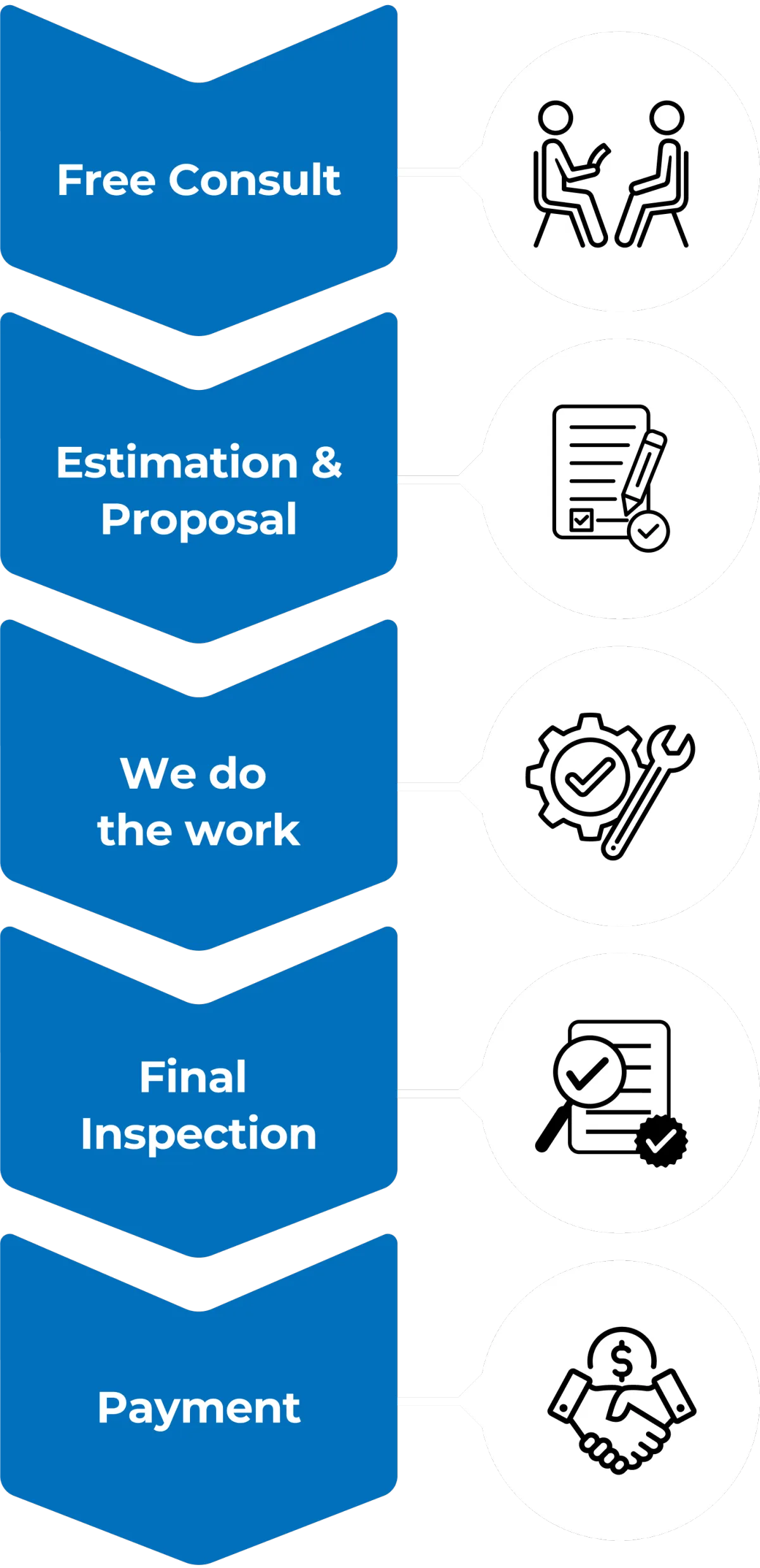
our process
Our process is simple and only contains a few simple steps

SERVICE AREAS
proudly serving Sydney
frequently asked questions
Find clear answers to the questions we’re asked most often.
How does the repair process work?
Once you contact Appliance Repair Solutions, a technician will discuss the issue with you and arrange a suitable inspection time. The problem is diagnosed on site, and clear advice is provided before any repair work begins. The goal is to complete repairs efficiently while keeping communication straightforward throughout the process.
How quickly can I book a technician?
Service availability depends on your location and the type of appliance issue. In many cases, same day or next day bookings may be available across Sydney. The team aims to respond promptly and provide flexible scheduling where possible.
Do you provide quotes before starting repairs?
Yes. After assessing the appliance and identifying the fault, you will receive clear information about the recommended repair and expected costs. This helps customers make informed decisions before approving any work.
What should I do before the technician arrives?
It helps to clear access around the appliance and make note of any error codes or unusual behaviour. If possible, have the appliance model number available as this can assist with diagnosing the issue faster. The technician will guide you through anything else needed when confirming the booking.
What should I do before the technician arrives?
It helps to clear access around the appliance and make note of any error codes or unusual behaviour. If possible, have the appliance model number available as this can assist with diagnosing the issue faster. The technician will guide you through anything else needed when confirming the booking.
proudly serving Baulkham Hills
Homebush
Gladesville
Leichhardt
North Sydney
Mosman
Box Hill
Marsden park

Trusted & Accredited Plumbers
READY TO GET YOUR ROOF CLEANED?
get a free quote TODAY!
PressureX Exterior Cleaning
