
BLOG
How to Tell Whether Your Roof Needs Cleaning, Restoration or Simply Ongoing Maintenance in Parramatta and Surrounding Suburbs
A roof is exposed to the weather every day of the year, yet it is often one of the least inspected parts of a property. Dirt, moss and leaf litter usually accumulate gradually, making changes difficult to notice from ground level. By the time staining becomes obvious or drainage problems develop, the roof may already require more than a simple clean.
For property owners in Parramatta and surrounding suburbs, understanding the difference between roof cleaning, roof restoration and routine maintenance can help prevent unnecessary deterioration and extend the life of roofing materials.
Surface staining does not always mean the roof is damaged
Many roofs develop dark staining over time, particularly beneath overhanging trees or on sections that receive limited sunlight.
Common causes include:
Algae
Moss
Lichen
Airborne pollution
Dust
Leaf tannins
These contaminants affect the appearance of the roof, but they do not automatically indicate structural damage.
Concrete roof tiles often develop moss because they retain moisture on their textured surface. Terracotta tiles can collect lichen that forms tightly against the tile, while Colorbond roofs may show dirt and organic staining in areas where water drains slowly.
In many cases, appropriate roof cleaning is enough to remove these contaminants without requiring restoration work.
Signs that routine maintenance should not be delayed
Regular roof maintenance involves more than cleaning visible dirt.
During inspections, property owners should look for:
Gutters overflowing during rain
Valleys filled with leaves
Moss growing between roof tiles
Small branches collecting on the roof
Blocked downpipes
Water staining around eaves
Loose ridge capping
Damaged or cracked roof tiles
Leaf litter is particularly common in suburbs with established trees. During storms, this material washes into valleys and gutters where it can restrict water flow.
When gutters overflow, water may run behind fascia boards or spill directly onto external walls instead of flowing into the stormwater system. Over time, repeated overflow can contribute to moisture-related problems around the property.
Routine maintenance helps identify these issues before they become more difficult or costly to address.
When roof cleaning is the appropriate solution
Roof cleaning is generally suitable when the roofing material remains in good condition but has accumulated organic growth or environmental staining.
Cleaning may be appropriate where:
Moss is covering roof tiles
Lichen has formed on the surface
Dirt has accumulated after years of exposure
Bird droppings are affecting parts of the roof
Debris has collected in roof valleys
The cleaning method should always match the roofing material.
Concrete tiles, terracotta tiles and metal roofing each respond differently to water pressure and cleaning solutions. Older roofs often require a more controlled approach than newer roofing systems to avoid unnecessary wear.
Using excessive pressure simply because a roof appears heavily stained can remove protective coatings, disturb pointing or allow water to enter beneath tiles.
Indicators that restoration may be required
Cleaning improves the appearance of a roof, but it cannot repair materials that have reached the end of their serviceable condition.
A roof may require restoration when inspection reveals problems such as:
Widespread deterioration of protective coatings
Significant fading or surface erosion
Repeated water penetration caused by damaged roofing components
Extensive cracking of roof tiles
Loose or deteriorated ridge pointing
Areas where previous repairs have failed
Roof restoration generally involves repairing defects before applying appropriate coatings or protective finishes where suitable.
Cleaning is often one stage of the restoration process, but cleaning alone cannot resolve structural defects or repair worn roofing materials.
Understanding this distinction helps property owners avoid expecting cosmetic cleaning to correct underlying maintenance issues.
Local conditions influence how quickly roofs deteriorate
Roofs throughout Parramatta experience a range of environmental conditions that affect maintenance requirements.
Summer heat causes roofing materials to expand and contract. Autumn brings falling leaves that accumulate in gutters and valleys. Heavy rainfall tests drainage systems, while spring pollen and airborne dust settle across roof surfaces.
Properties surrounded by mature trees often require more frequent inspections because organic debris accumulates more quickly. Homes located near major roads may collect additional airborne pollutants that contribute to surface staining.
Even the direction a roof faces can make a difference. South-facing sections often remain damp for longer after rainfall, creating favourable conditions for moss and algae growth.
These local factors mean that maintenance schedules vary from one property to another.
Regular inspections support the long-term condition of the roof
Most roofing issues develop gradually rather than appearing overnight. Moss spreads slowly, gutters fill over several seasons and minor defects often become noticeable only after prolonged exposure to the weather.
Regular inspections help identify blocked drainage, damaged tiles and biological growth before they contribute to larger maintenance problems. They also allow property owners to distinguish between issues that require cleaning and those that may benefit from restoration.
For homes throughout Parramatta and surrounding suburbs, understanding the condition of the roof is the first step towards selecting the most appropriate maintenance approach. Cleaning, restoration and ongoing maintenance each have a different purpose, and recognising when each is needed helps protect one of the most important parts of the property over the long term.
DISCOVER WHAT OUR CUSTOMERS HAVE TO SAY ABOUT US
REVIEWS
REVIEW US ON GOOGLE
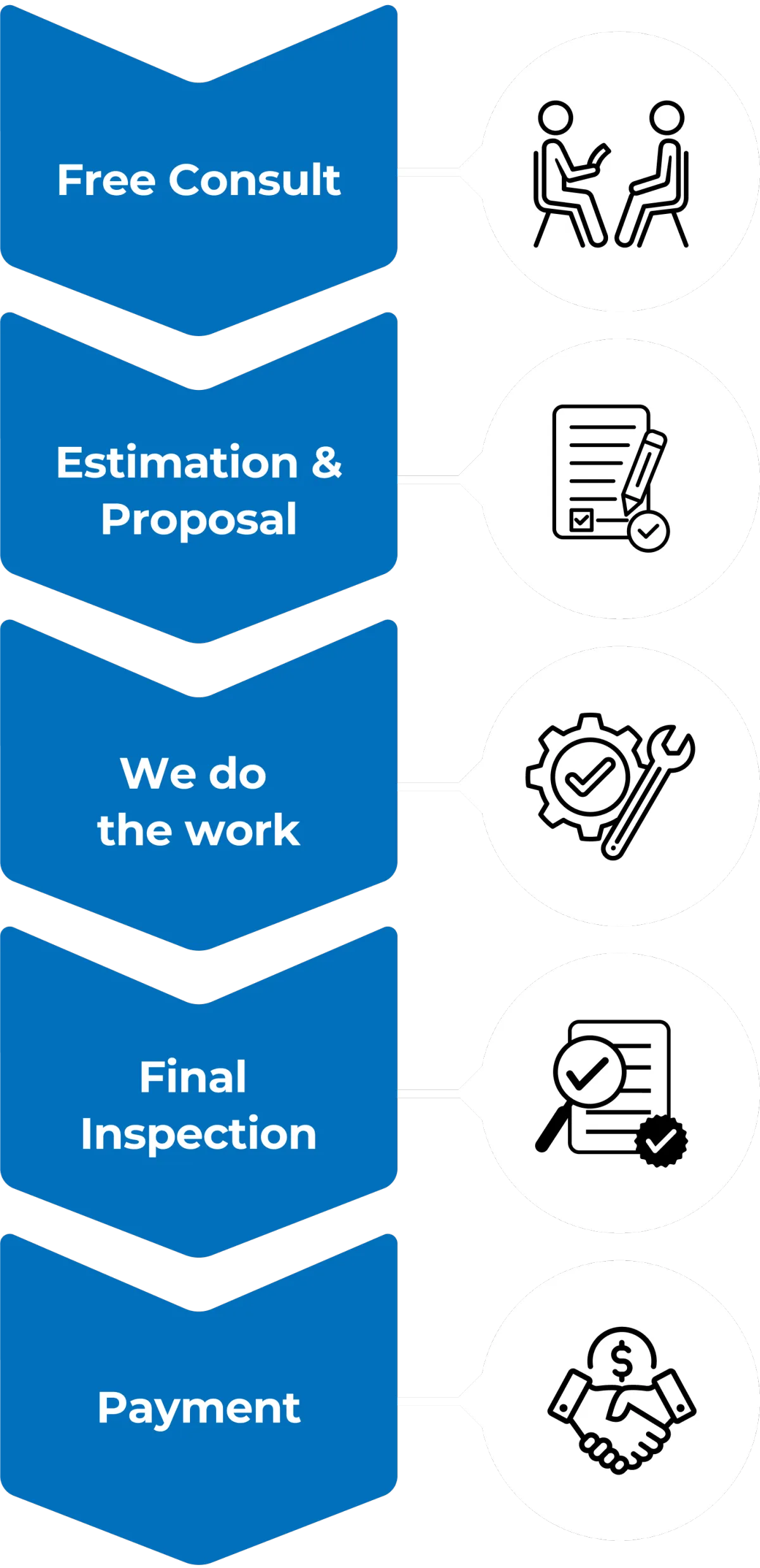
our process
Our process is simple and only contains a few simple steps

SERVICE AREAS
proudly serving Sydney
frequently asked questions
Find clear answers to the questions we’re asked most often.
How does the repair process work?
Once you contact Appliance Repair Solutions, a technician will discuss the issue with you and arrange a suitable inspection time. The problem is diagnosed on site, and clear advice is provided before any repair work begins. The goal is to complete repairs efficiently while keeping communication straightforward throughout the process.
How quickly can I book a technician?
Service availability depends on your location and the type of appliance issue. In many cases, same day or next day bookings may be available across Sydney. The team aims to respond promptly and provide flexible scheduling where possible.
Do you provide quotes before starting repairs?
Yes. After assessing the appliance and identifying the fault, you will receive clear information about the recommended repair and expected costs. This helps customers make informed decisions before approving any work.
What should I do before the technician arrives?
It helps to clear access around the appliance and make note of any error codes or unusual behaviour. If possible, have the appliance model number available as this can assist with diagnosing the issue faster. The technician will guide you through anything else needed when confirming the booking.
What should I do before the technician arrives?
It helps to clear access around the appliance and make note of any error codes or unusual behaviour. If possible, have the appliance model number available as this can assist with diagnosing the issue faster. The technician will guide you through anything else needed when confirming the booking.
proudly serving Baulkham Hills
Homebush
Gladesville
Leichhardt
North Sydney
Mosman
Box Hill
Marsden park

Trusted & Accredited Plumbers
READY TO GET YOUR ROOF CLEANED?
get a free quote TODAY!
PressureX Exterior Cleaning
