
BLOG
Why Driveways, Paths and Outdoor Areas Become Slippery After Wet Weather in Liverpool, Fairfield and Blacktown
After periods of rain, many property owners across Liverpool, Fairfield and Blacktown notice that driveways, pathways and outdoor entertaining areas become unexpectedly slippery. In many cases, the surface appears clean at first glance, yet it becomes hazardous when wet.
The cause is rarely the rain itself. Slippery outdoor surfaces are usually the result of organic growth that has developed over months or years. Algae, mould, moss and lichen thrive in damp conditions, particularly where moisture remains trapped after rainfall. Understanding why this happens can help property owners identify potential hazards before they become a safety issue.
Algae is often the biggest cause of slippery concrete
Green algae is one of the most common contaminants found on outdoor hard surfaces throughout Western Sydney. It develops when moisture, sunlight and organic matter combine over time.
Concrete driveways are particularly susceptible because they are porous. Small amounts of water soak into the surface, creating conditions where algae can establish itself. Areas beneath trees or beside garden beds usually remain damp for longer, allowing growth to spread more quickly.
Although algae may appear as a light green film, it becomes extremely slippery when wet. Many slips occur because the contamination is thin enough to blend into the colour of the concrete, making it difficult to notice until someone walks across it after rain.
Shade and poor drainage create ideal growing conditions
Not every section of a property dries at the same rate. Shaded areas often remain damp long after rainfall has stopped, allowing biological growth to continue throughout the year.
Common problem areas include:
South-facing driveways
Paths beside retaining walls
Walkways beneath large trees
Pool surrounds
Courtyards with limited sunlight
Side access between neighbouring homes
Poor drainage can make the problem worse. Water that pools on paving or concrete after rain keeps surfaces damp for extended periods, encouraging algae, mould and moss to spread across larger areas.
Blocked gutters and overflowing downpipes can also contribute by directing water onto paths that would otherwise remain relatively dry.
Different paving materials develop different problems
Each outdoor surface responds differently to moisture and organic growth.
Concrete is prone to algae because of its porous structure. Exposed aggregate provides additional texture where dirt and moisture can collect between the stones. Brick paving often develops moss within the joints where sand remains damp after rainfall.
Natural stone, particularly sandstone, can support both algae and lichen if the surface stays shaded. Timber decking presents another challenge, as mould and algae can grow between the boards while moisture is absorbed into the timber.
Even decorative concrete with coloured sealers can become slippery if contaminants build up on top of the protective coating.
Understanding the material helps determine the most appropriate cleaning method while avoiding unnecessary damage.
High pressure alone does not always solve the problem
Many people assume that simply blasting a slippery surface with high pressure water will permanently remove the issue. While pressure cleaning can remove visible growth, it does not always eliminate the microscopic spores and organic matter responsible for regrowth.
In many situations, a combination of appropriate cleaning solutions and controlled pressure provides a more thorough result. This approach helps remove biological contamination from the surface rather than simply stripping away the visible layer.
Using excessive pressure can also damage certain materials. Older concrete, soft sandstone, mortar joints and decorative finishes may be eroded if incorrect equipment or techniques are used.
Selecting the right cleaning method depends on the condition and construction of the surface rather than applying maximum pressure.
Preventing slippery surfaces from returning quickly
Outdoor surfaces naturally accumulate dirt, pollen and organic debris throughout the year. While this cannot be prevented entirely, several maintenance practices can slow the return of algae and mould.
These include:
Removing leaf litter before it decomposes
Keeping gutters clear so water drains correctly
Trimming vegetation to improve airflow and sunlight
Sweeping paved areas regularly
Addressing drainage issues where water pools after rain
Inspecting shaded walkways following extended wet weather
Properties surrounded by established trees often require more frequent attention because leaves and organic matter continually introduce nutrients that encourage biological growth.
Recognising when a surface has become a safety concern
A driveway or pathway does not need to look heavily stained to become hazardous. Thin films of algae are often enough to reduce grip, particularly when combined with rain or morning dew.
Warning signs include dark patches that remain damp longer than surrounding areas, green discolouration on concrete, moss growing between pavers, or sections that feel noticeably slippery underfoot.
For households with children, older residents or frequent visitors, maintaining good slip resistance is an important part of property upkeep. Across Liverpool, Fairfield and Blacktown, regular inspection of outdoor surfaces, especially after extended wet weather, helps identify developing problems before they lead to accidents.
Understanding how moisture, shade and biological growth interact allows property owners to make informed decisions about maintaining safer, cleaner and longer-lasting outdoor surfaces.
DISCOVER WHAT OUR CUSTOMERS HAVE TO SAY ABOUT US
REVIEWS
REVIEW US ON GOOGLE
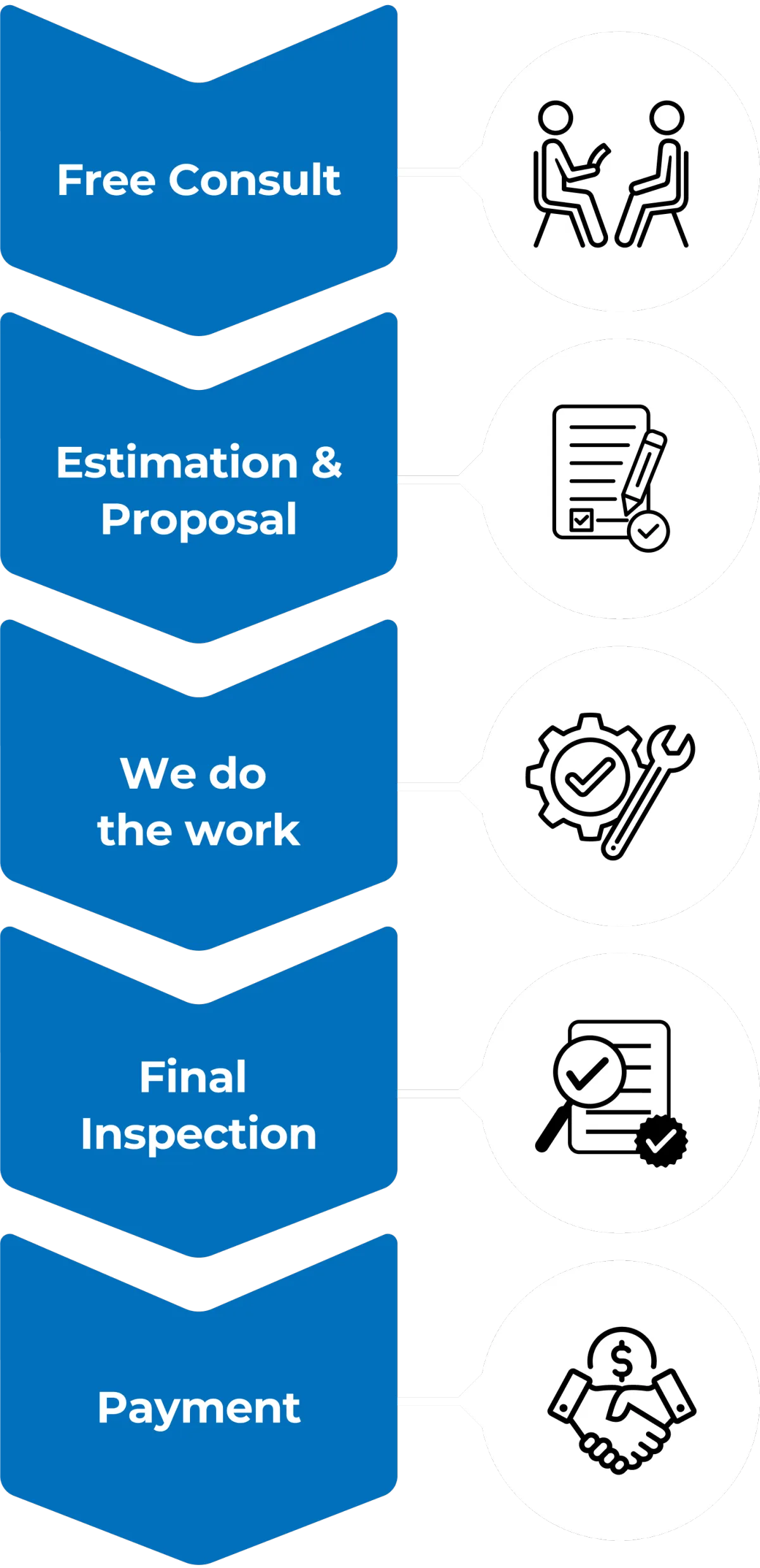
our process
Our process is simple and only contains a few simple steps

SERVICE AREAS
proudly serving Sydney
frequently asked questions
Find clear answers to the questions we’re asked most often.
How does the repair process work?
Once you contact Appliance Repair Solutions, a technician will discuss the issue with you and arrange a suitable inspection time. The problem is diagnosed on site, and clear advice is provided before any repair work begins. The goal is to complete repairs efficiently while keeping communication straightforward throughout the process.
How quickly can I book a technician?
Service availability depends on your location and the type of appliance issue. In many cases, same day or next day bookings may be available across Sydney. The team aims to respond promptly and provide flexible scheduling where possible.
Do you provide quotes before starting repairs?
Yes. After assessing the appliance and identifying the fault, you will receive clear information about the recommended repair and expected costs. This helps customers make informed decisions before approving any work.
What should I do before the technician arrives?
It helps to clear access around the appliance and make note of any error codes or unusual behaviour. If possible, have the appliance model number available as this can assist with diagnosing the issue faster. The technician will guide you through anything else needed when confirming the booking.
What should I do before the technician arrives?
It helps to clear access around the appliance and make note of any error codes or unusual behaviour. If possible, have the appliance model number available as this can assist with diagnosing the issue faster. The technician will guide you through anything else needed when confirming the booking.
proudly serving Baulkham Hills
Homebush
Gladesville
Leichhardt
North Sydney
Mosman
Box Hill
Marsden park

Trusted & Accredited Plumbers
READY TO GET YOUR ROOF CLEANED?
get a free quote TODAY!
PressureX Exterior Cleaning
